If your water bill suddenly jumped and nothing about how you use water has changed, the most likely cause is a leak you can't see. It might be a toilet that runs quietly, a cracked irrigation line, or a break in the buried water line between your meter and your house. The good news is that a few simple checks will tell you whether water is escaping, and roughly where to look. Here's how Northern Utah homeowners can track down the cause before the next bill arrives.
Start With Your Water Meter
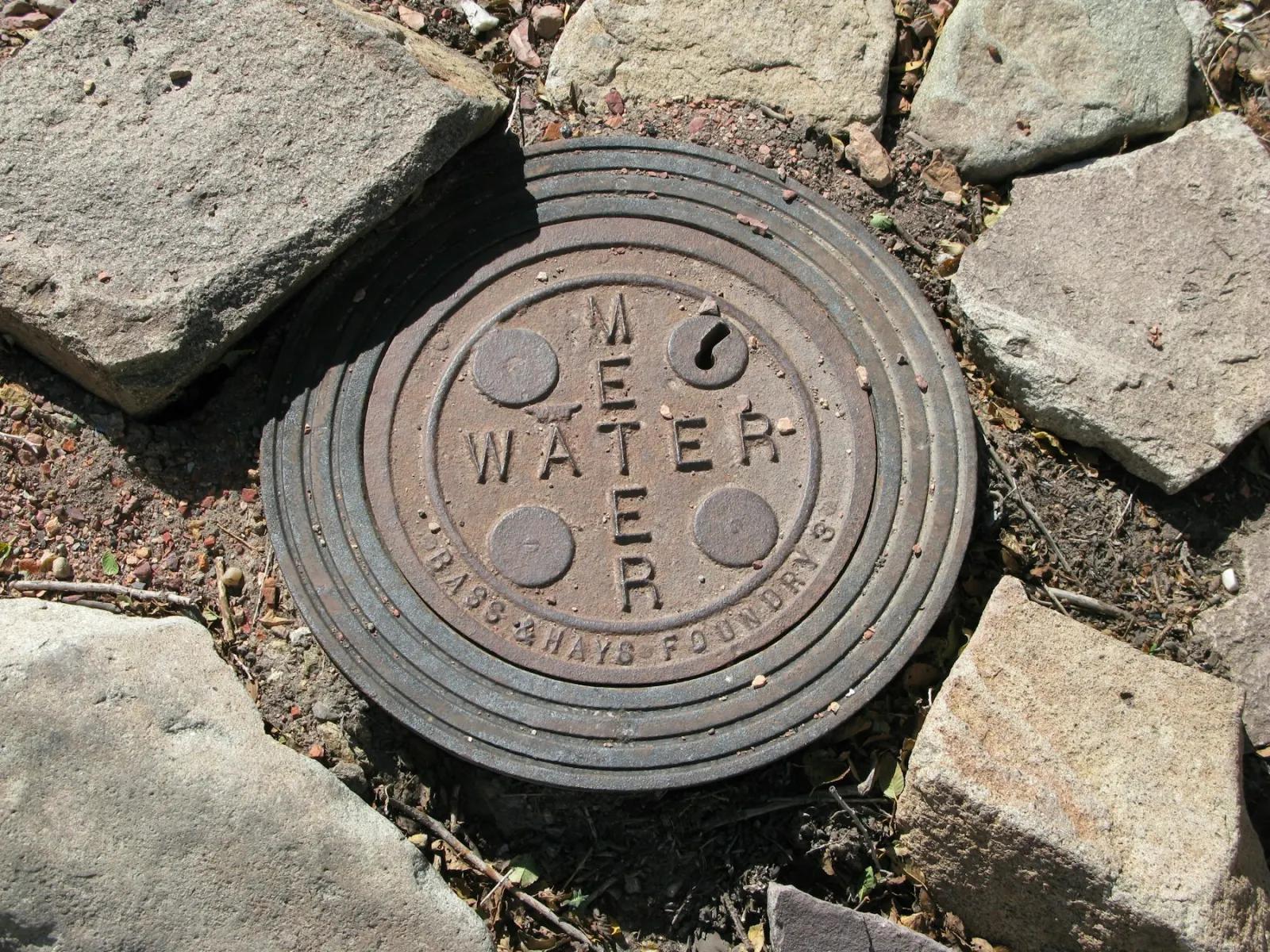
Your water meter is the best leak detector you own. Turn off every faucet, appliance and the irrigation system, and make sure nobody runs water for a while. Then find the meter, usually in a box near the street or sidewalk, and look at the dial or the small leak indicator, often a little triangle or star.
If the indicator is moving, or the reading changes over an hour or two with nothing running, water is going somewhere. That confirms a leak. If the meter is perfectly still, the higher bill may come from a change in usage or rates instead, and it's worth calling your city's utility office to ask.
Check the Easy Culprits First
Toilets are the most common source of a quiet leak. A worn flapper can let water trickle into the bowl all day without a sound. Put a few drops of food coloring in the tank, wait fifteen minutes without flushing, and look in the bowl. If the color shows up, the flapper or fill valve needs attention.
Next, look under sinks, around the water heater and behind the washing machine for drips, damp cabinet floors or water stains. A dripping faucet seems minor, but it adds up over a month.
Leaks You Can't See
If the toilets and fixtures check out and the meter still moves, the leak is probably hidden. The three most common places are the buried water main between the meter and the house, an irrigation line, and a supply pipe inside a wall or under a floor.
A broken water main often shows up as a soggy or unusually green patch in the yard, a drop in water pressure, or the sound of running water when everything is off. Our water main repair and replacement service handles these lines from the meter to the house.
Irrigation leaks are sneaky because they may only run when the system is on. A section of lawn that stays muddy, or a summer bill that's higher than last year's, is a strong clue. Many people don't realize a plumber handles irrigation line repair, but finding and fixing these leaks is regular work for us.
Leaks inside the home often leave signs like warm spots on a floor, bubbling paint, a musty smell or stains on a ceiling below a bathroom.
Why Water Pressure Matters Too
High water pressure puts extra stress on every pipe, fixture and appliance in your home, and it can cause or speed up leaks. Many homes along the Wasatch Front rely on a pressure reducing valve to keep pressure in a safe range, and those valves wear out over time. If you hear banging pipes or notice pressure that seems to change on its own, have the valve checked.
When to Call a Plumber
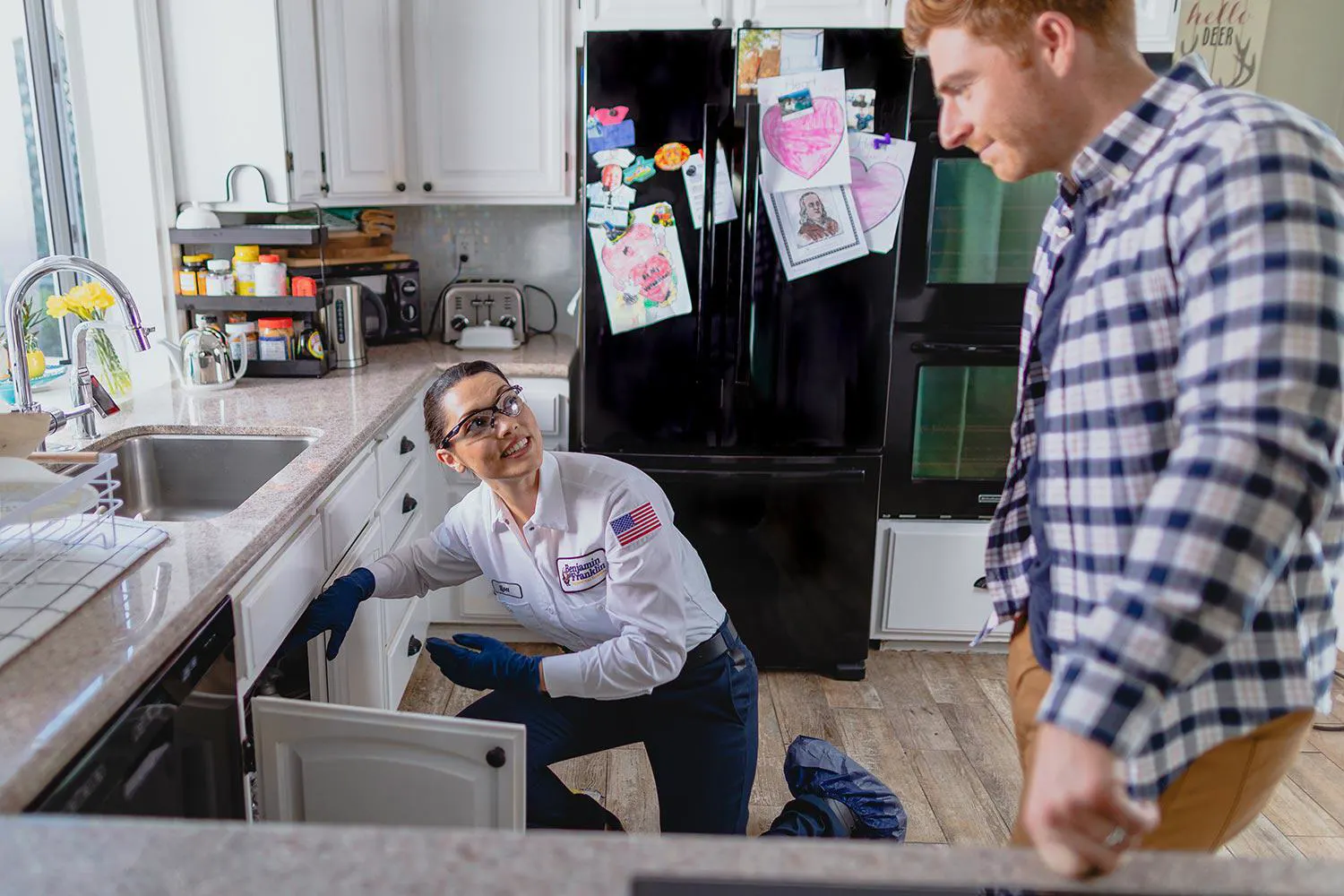
If your meter confirms a leak and you can't find it, it's time to call in professional leak detection. We test the system in sections and use detection equipment to pinpoint the leak before anyone digs or opens a wall, which keeps the repair as small as possible. Once we find it, we explain what caused it and give you clear repair options and pricing.
A hidden leak doesn't fix itself, and every day it runs costs money and can damage your home or yard. Call Benjamin Franklin Plumbing of Ogden at 801-406-6706. Our phones are answered 24/7.
Need help with this? See our Leak Detection service.
Leak Detection